
Descendance
Extended: May 20 - October 2, 2022
Descendance explores themes of identity and a sense of belonging that come from one's personal family history and inherited cultural traditions. Drawing from acts of storytelling and memory-keeping, the exhibition explores the intentional or sometimes unintentional selection of which memories are preserved and which ones are left behind. The exploration of carefully crafted histories can unearth and inform a sense of ‘place’; the way in which one’s history is tied to the land, and to each other. How does one grow new roots in relation to our stories, our communities and our adopted lands?
Descendance is co-curated by Myriam Farah Cobb and Darren Pottie in consultation with a wide range of Canadian curators and artists from across the country. Featuring first-generation Canadian and immigrant artists, this deeply intimate exhibition invites visitors to reflect on their own lineage and how their past impacts their present and influences the future.
Descendance explore les thèmes de l'identité et du sentiment d'appartenance découlant de notre propre histoire familiale et des traditions culturelles héritées. S'inspirant des actes de narration et de conservation de la mémoire, l'exposition explore la sélection intentionnelle ou parfois involontaire des souvenirs qui sont conservés et de ceux qui sont laissés derrière. L'exploration d'histoires soigneusement élaborées peut mettre à jour et informer un sens du "lieu" ; la manière dont notre histoire personnelle est liée à la terre et aux autres. Comment pouvons-nous faire pousser de nouvelles racines en relation avec nos histoires, nos communautés et nos terres d'adoption ?
Descendance est organisée conjointement par Myriam Farah Cobb et Darren Pottie, en consultation avec un large éventail de conservateurs et d'artistes canadiens à travers le pays. Mettant en vedette des artistes immigrants et des Canadiens de première génération, cette exposition profondément intime invite les visiteurs à réfléchir à leur propre lignée et à la façon dont leur passé influence leur présent et aussi leur avenir.
-
Chun Hua Catherine Dong
Leila Fatemi
Christina Hajjar
Liz Ikiriko
Kamissa Ma Koïta
Kriss Munsya
Kosisochukwu Nnebe
Dainesha Nugent-Palache
Ananna Rafa
Farihah Aaliyah Shah -
12 - 5pm, Wednesday to Sunday

DESCENDANCE Artist + Curator Talk
Thursday, September 22
The SPAO Centre proudly presents DESCENDANCE Artist and Curator Talk featuring curators Myriam Farah Cobb and Darren Pottie, along with artists Farihah Aliyah Shah, Leila Fatemi, and Kosisochukwu Nnebe.
INSTALLATION VIEWS


THE ARTISTS
Chun Hua Catherine Dong
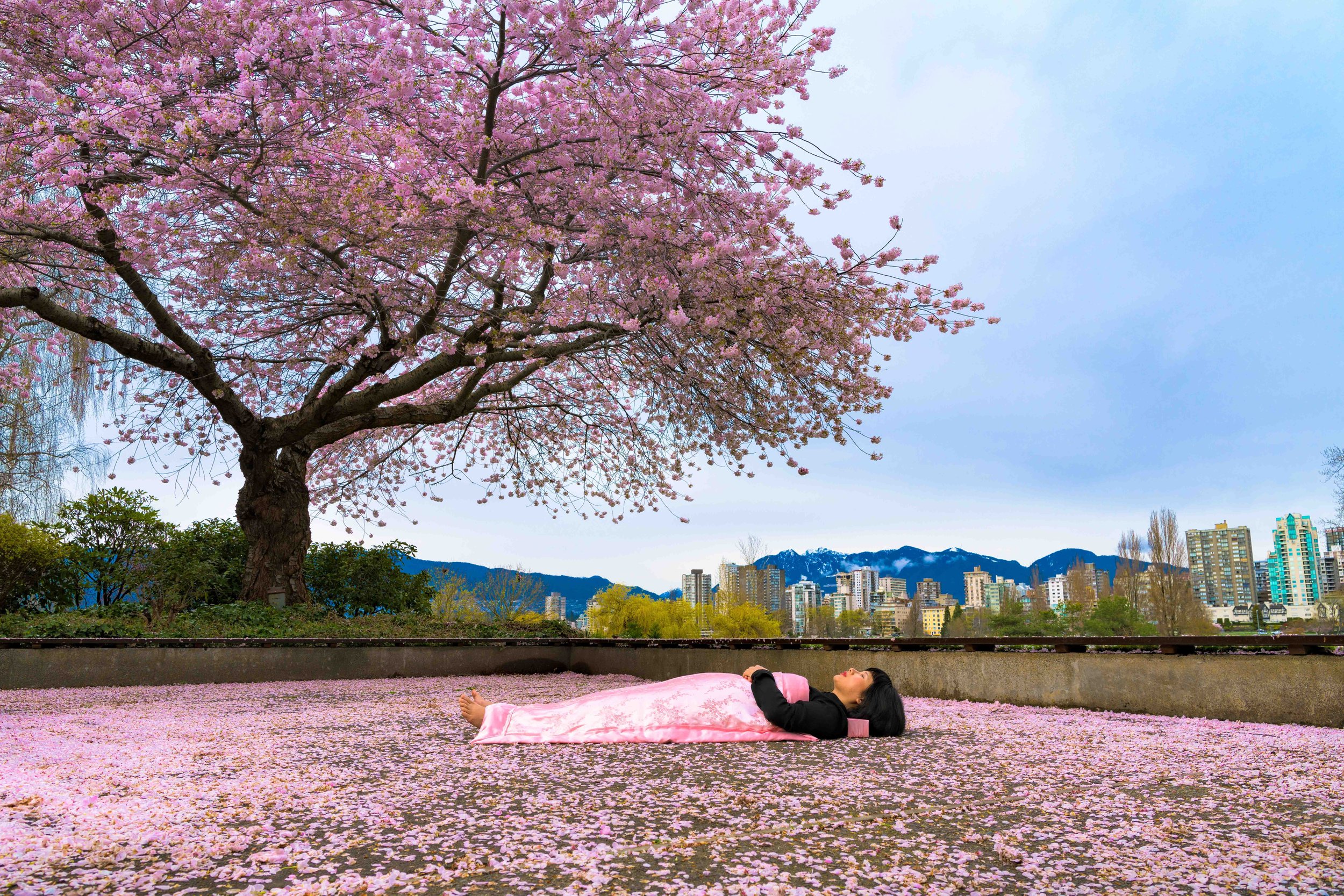
Chun Hua Catherine Dong’s artistic practice is based in performance art, photography, video, VR, AR and 3D printing within the contemporary context of global feminism. Dong’s work deals with cultural intersections created by globalization and asks what it means to be a citizen of the world today. Working within the gap between body as image and body as experienced reality Dong uses the body—often their own body— as a visual territory in their work and a primary material to activate social commentary on gender, identity, and immigration. Dong currently focuses on art and technology.
I Have Been There is an on-going public intervention performance that explores belonging, diaspora, and existence in public spaces. Each time I travel to a new place, I make a new duvet with Chinese traditional embroidered silk fabric. Covered by the duvet, I lie on the ground of historical sites, landmarks, tourist attractions, and other significant places or events as a sign of negotiating and/or engaging with cultures and spaces.
-
La pratique artistique de Chun Hua Catherine Dong est basée sur l'art de la performance, la photographie, la vidéo, la RV, la RA et l'impression 3D dans le contexte contemporain du féminisme global. Son travail traite des intersections culturelles créées par la mondialisation et demande ce que cela signifie d'être un citoyen du monde aujourd'hui. Travaillant dans l'écart entre le corps en tant qu'image et le corps en tant que réalité vécue, Dong utilise dans son travail le corps - souvent son propre corps - comme territoire visuel et comme matériau principal pour activer un commentaire social sur le genre, l'identité et l'immigration. Dong se concentre actuellement sur l'art et la technologie.
I Have Been There est une performance d'intervention publique qui explore l'appartenance, la diaspora et l'existence dans les espaces publics. Chaque fois que je me rends dans un nouvel endroit, je fabrique une nouvelle couette avec un tissu de soie brodé traditionnel chinois. Recouverte de la couette, je m'allonge sur le sol de sites historiques, de points de repère, d'attractions touristiques et d'autres lieux ou événements importants, en signe de négociation et/ou d'engagement avec les cultures et les espaces.
-
Leila Fatemi
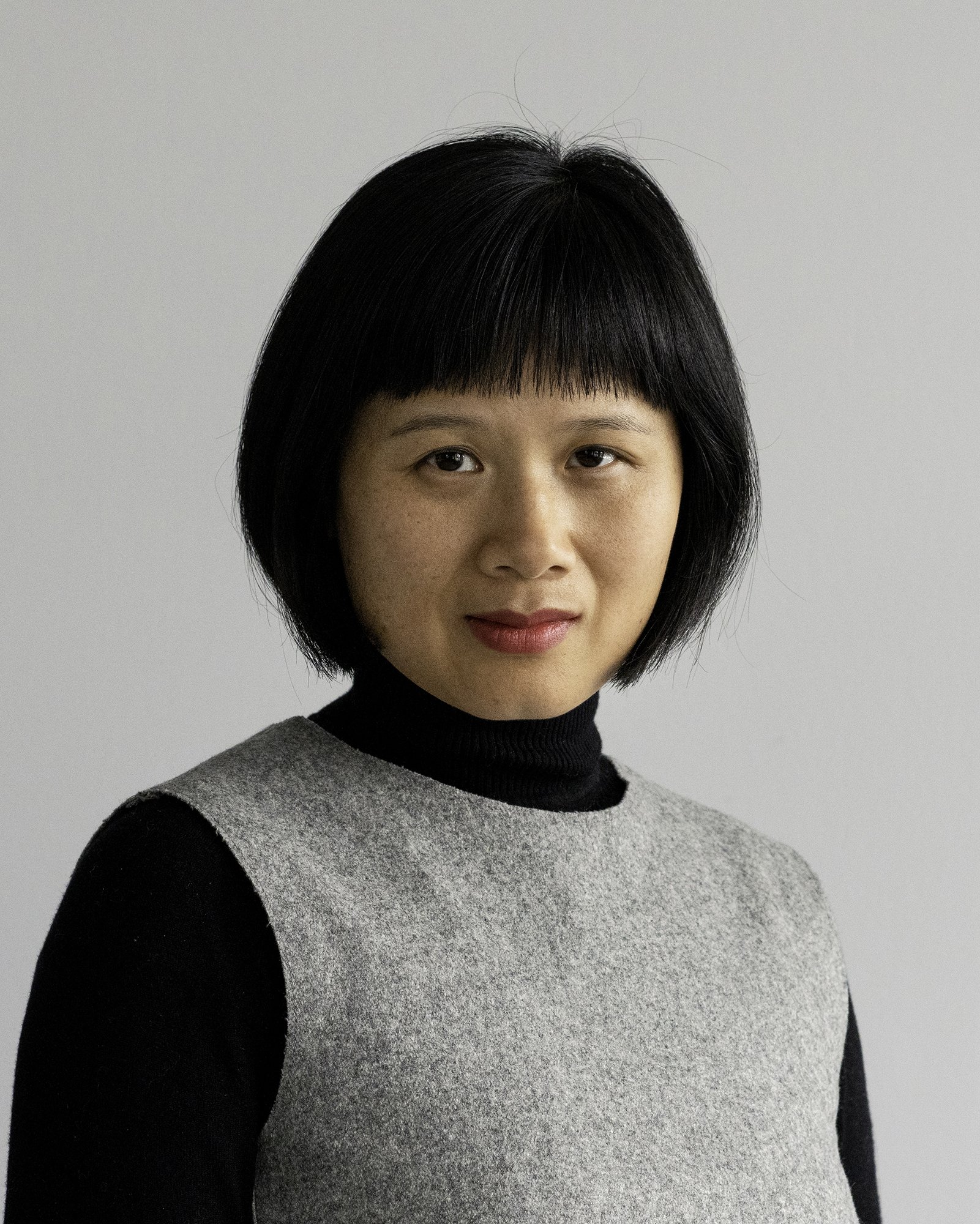
Leila Fatemi is an emerging artist, curator and community arts worker based in Tkaronto/Toronto. Living between cultures, her work and curatorial endeavours stem from her daily experiences as a visible minority and her perspective as a practicing Muslim woman artist. Fatemi aims to provide platforms and contribute alternative narratives to conversations of ethnic representation with a focus on the experience of Muslim women & women from the MENA region as well as to create a better understanding and appreciation for Islamic culture and traditions.
In The Wandering Veil the artist reflects on her personal experience as a Muslim woman engaged in the spiritual and intimate act of worship. This series of self-portraits considers the depth of meaning that the veil embodies; a practice symbolic of both esoteric and exoteric life.
-
Leila Fatemi est une artiste émergente, une conservatrice et une travailleuse des arts communautaires basée à Tkaronto/Toronto. Vivant entre les cultures, son travail et ses efforts de conservation découlent de ses expériences quotidiennes en tant que minorité visible et de sa perspective en tant qu'artiste musulmane pratiquante. Fatemi vise à fournir des plateformes et à apporter des récits alternatifs aux conversations sur la représentation ethnique, en mettant l'accent sur l'expérience des femmes musulmanes et des femmes de la région MENA, ainsi qu'à créer une meilleure compréhension et appréciation de la culture et des traditions islamiques.
Dans The Wandering Veil, l'artiste réfléchit à son expérience personnelle en tant que femme musulmane engagée dans l'acte spirituel et intime de l’adoration. Cette série d'autoportraits examine la profondeur de la signification du voile, une pratique symbolique de la vie ésotérique et exotérique.
-


Christina Hajjar
Christina Hajjar is a Lebanese Canadian artist, writer, and cultural worker based in Winnipeg, Manitoba on Treaty 1 Territory. Her practice considers intergenerational inheritance, domesticity, and place through diaspora, body archives, and cultural iconography. As a queer femme and first-generation subject, she is invested in the poetics of process, translation, and collaborative labour.
A phone conversation sets the diasporic table as a disembodied figure prepares Qahwah Arabi / Arabic Coffee. Here, the contradictions inherent in Google Translate’s instant camera feature are made visible through glitched mistranslations. Using these flaws as a prompt, the communication between a mother and a daughter considers ambiguity as a source of embodied knowledge.
-
Christina Hajjar est une artiste, écrivaine et travailleuse culturelle libano-canadienne établie à Winnipeg, au Manitoba, sur le territoire du Traité 1. Sa pratique considère l'héritage intergénérationnel, la domesticité et le lieu à travers la diaspora, les archives corporelles et l'iconographie culturelle. En tant que femme queer et sujet de première génération, elle s'investit dans la poétique du processus, de la traduction et du travail collaboratif.
Une conversation téléphonique met en scène la diaspora sous la forme d'une figure désincarnée qui prépare Qahwah Arabi / Café Arabe. Les contradictions inhérentes à la fonction de caméra instantanée de Google Translate sont rendues visibles par des traductions erronées. En utilisant ces défauts comme une incitation, la communication entre une mère et une fille considère l'ambiguïté comme une source de connaissance incarnée.
-
![Don’t Forget the Water Film 2021 [05:13]](https://images.squarespace-cdn.com/content/v1/5113cc17e4b0c37c0c5c317b/1654191811966-GDKN6GR4REQ58RCWGFPS/Christina+Hajjar+-+Don%27t+Forget+The+Water+%28screen+capture%29+.png)
Liz Ikiriko
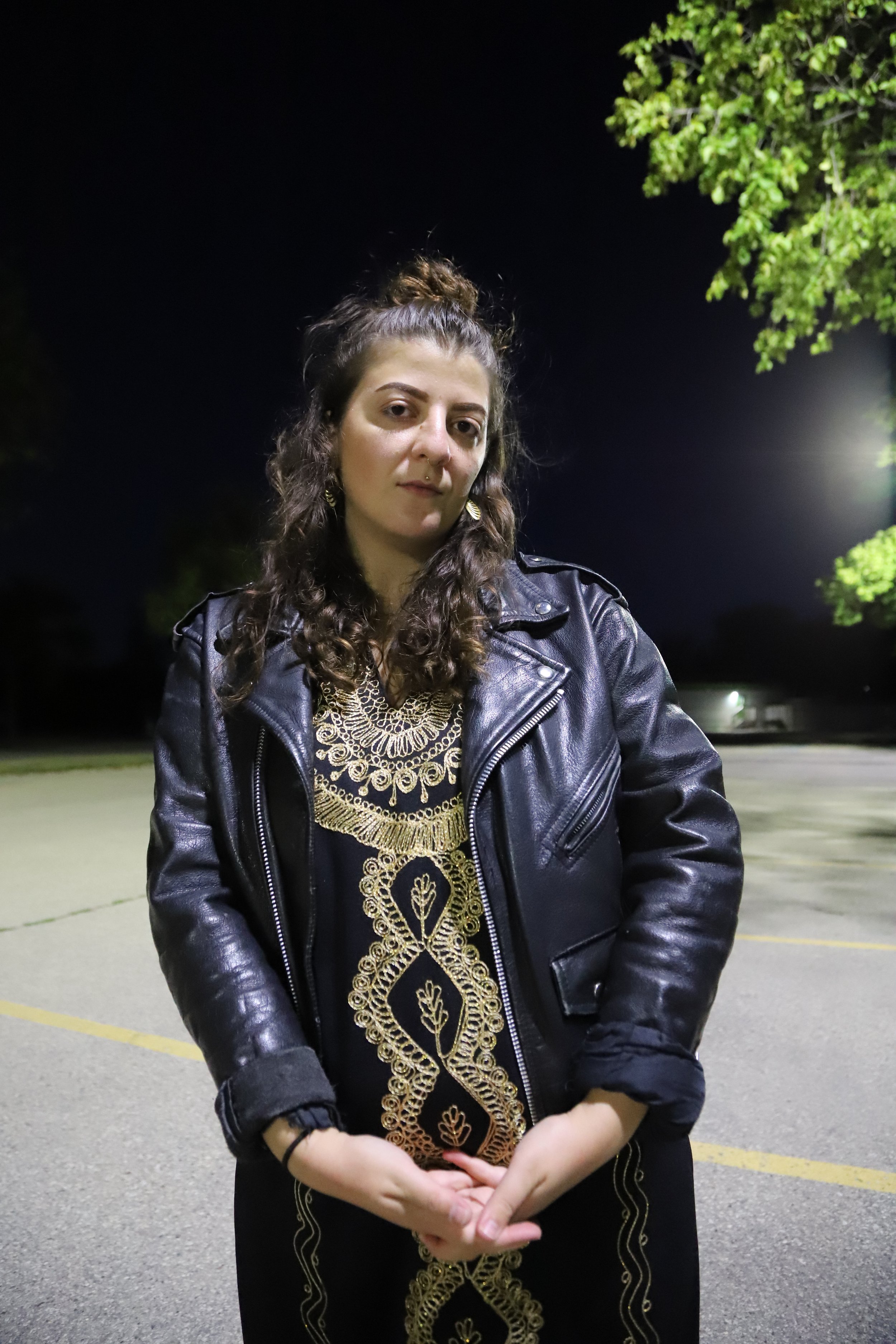
Liz Ikiriko is a Tkaronto/Toronto-based, Nigerian Canadian artist and curator. Her role as an educator, maker, and mother informs her practice, which focuses on African and diasporic narratives. Through collaboration and research, she supports and creates embodied experiences to facilitate moments of vulnerability and care for her communities. Ikiriko holds an MFA in Criticism and Curatorial Practice from OCAD University (2019). She is the Curator of Collections and Contemporary Engagement at AGYU and co-curator of Bamako Encounters African Photography Biennale(2022). Her work has been shown nationally, and is part of the permanent collection of the Dunlop Art Gallery, SK. Her writing has appeared in Aperture Books, Public Journal, MICE Magazine, C Magazine and Blackflash.
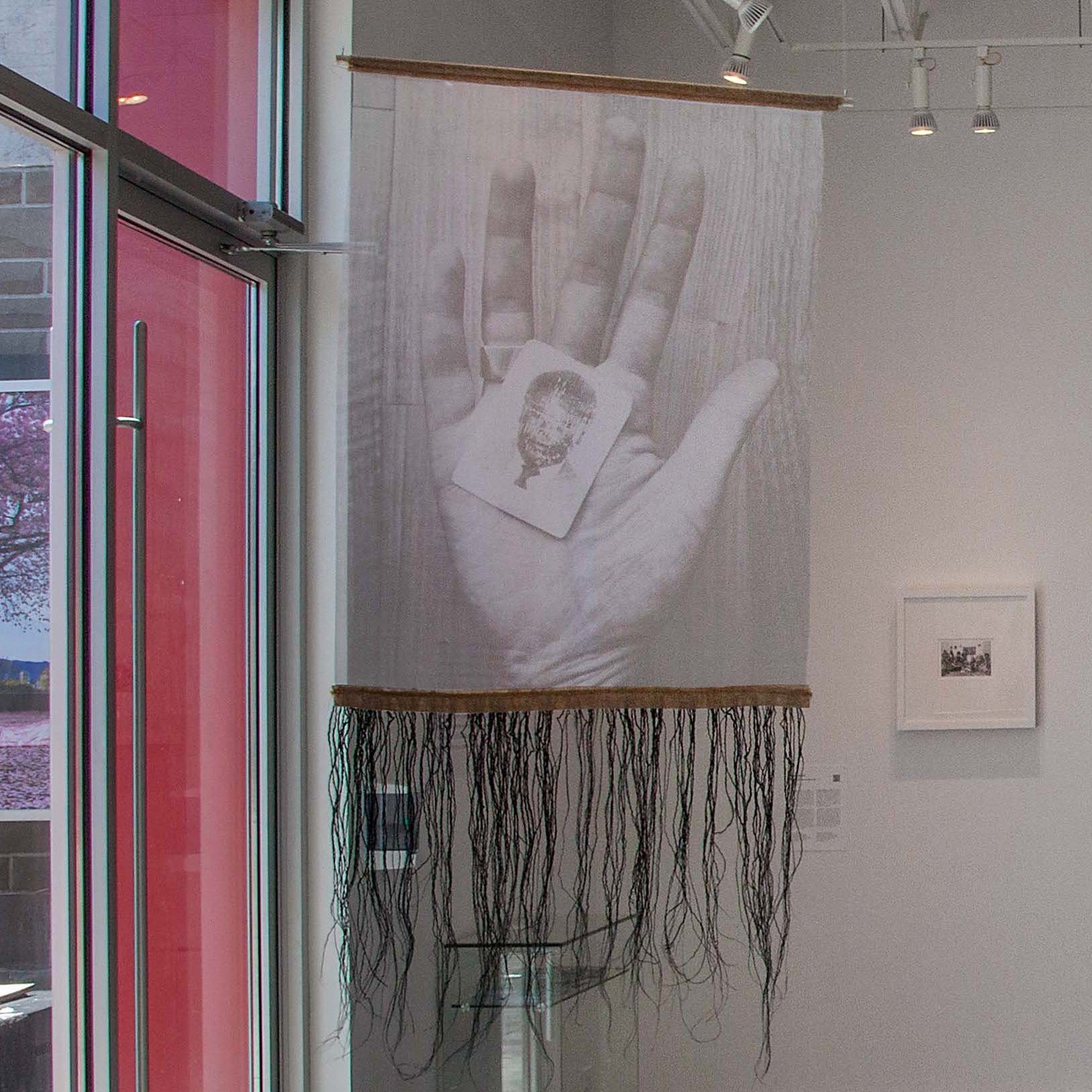
Facing the Precipitous is a part of the series – Flags of Unsung Countries developed in the aftermath of a daughter losing her father. This work contends with family histories, fragmented memories and considers new ceremonies to honour our ancestors, who persevered on adopted homelands.
-
Liz Ikiriko est une artiste et conservatrice canadienne d'origine nigériane, basée à Tkaronto/Toronto. Son rôle d'éducatrice, de créatrice et de mère nourrit sa pratique, qui se concentre sur les récits africains et diasporiques. Par le biais de la collaboration et de la recherche, elle soutient et crée des expériences incarnées pour faciliter les moments de vulnérabilité et de soin pour ses communautés. Ikiriko est titulaire d'un MFA en critique et pratique curatoriale de l'Université OCAD (2019). Elle est conservatrice des collections et de l'engagement contemporain à l'AGYU et co-conservatrice de la biennale de photographie africaine Bamako Encounters (2022). Son travail a été exposé au niveau national et fait partie de la collection permanente de la Dunlop Art Gallery, SK. Ses écrits ont été publiés dans Aperture Books, Public Journal, MICE Magazine, C Magazine et Blackflash.
Facing the Precipitous fait partie de la série Flags of Unsung Countries (Drapeaux de pays méconnus), créée à la suite de la perte du père d'une fille. Ce travail aborde les histoires familiales, les souvenirs fragmentés et envisage de nouvelles cérémonies pour honorer nos ancêtres, qui ont persévéré sur des terres d'adoption.
-
Kamissa Ma Koïta
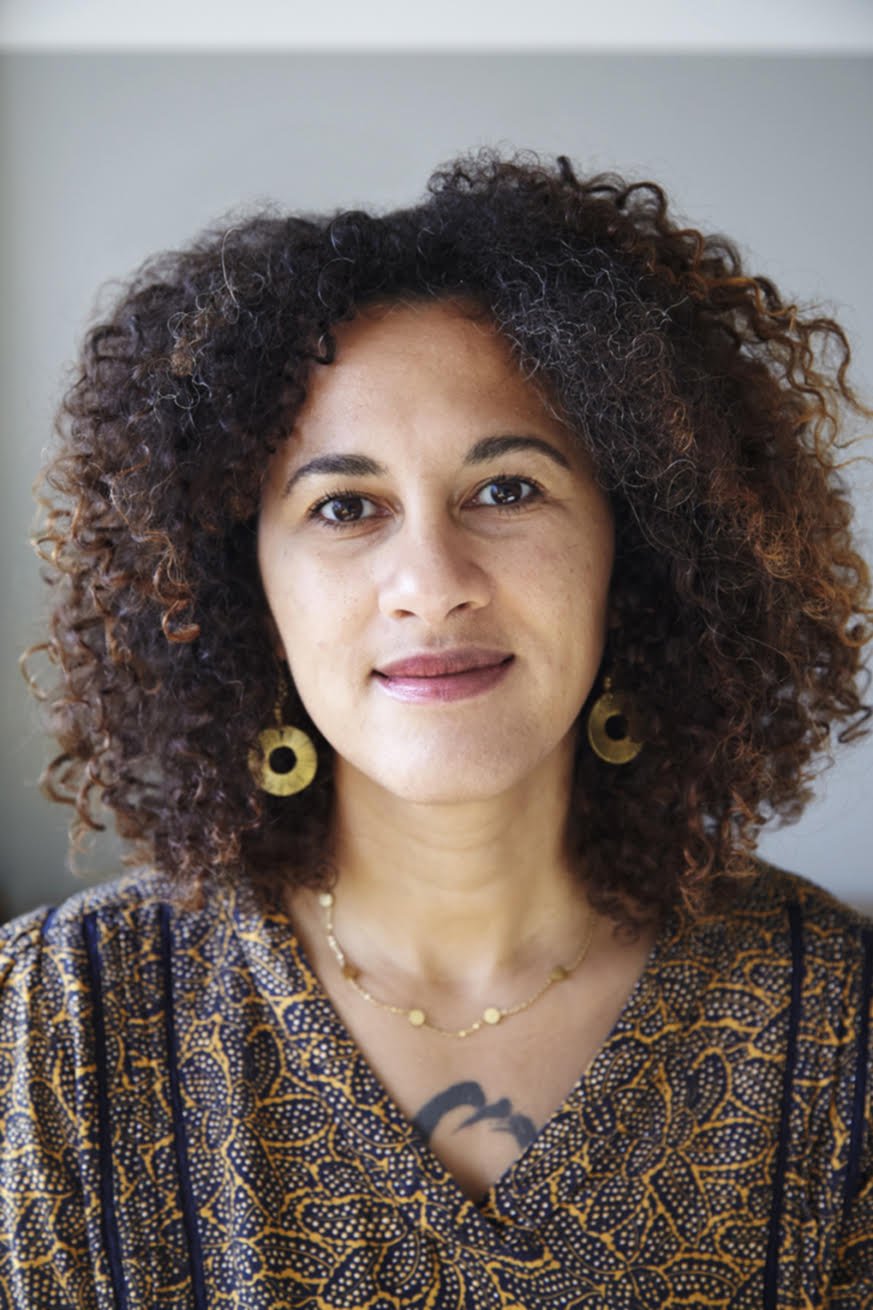
Kamissa Ma Koïta is a Canadian-Malian visual artist and designer. Born in Quebec City and raised in Montreal, her transdisciplinary practice explores archives, image, memory, social domination and historically marginalized communities from a pan-African and decolonial perspective.
The photograph Reenactment. Nous serons universel.le.s was produced alongside the performance Nous serons universel.le.s. In reference to the 70th anniversary of the Refus global manifesto, the work led the public to question their social privileges and the under-representation of black communities. The work recreates, through the organization of the subjects and the decor, a famous portrait of the Automatists produced by Maurice Perron during the group's second exhibition in 1947. The Galerie de l'UQAM purchased this work in 2020.
-
Kamissa Ma Koïta est une artiste visuelle et designer canado-malienne. Née à Québec et ayant grandi à Montréal, sa pratique transdisciplinaire explore les archives, la mémoire, les rapports de domination sociale et les communautés historiquement marginalisées dans une perspective panafricaine et décoloniale.
La photographie Reenactment. Nous serons universel.le.s a été réalisée parallèlement à la performance Nous serons universel.le.s. Faisant référence au 70e anniversaire du manifeste du Refus global, l’œuvre invitait le public à réfléchir à ses privilèges sociaux ainsi qu’à la sous-représentation des communautés noires. Par l’organisation des sujets et du décor, l’œuvre recrée un célèbre portrait des Automatistes réalisé par Maurice Perron lors de la deuxième exposition du groupe en 1947. La Galerie de l’UQAM a fait l’acquisition de cette œuvre en 2020.
-


Kriss Munsya
Kriss Munsya is a Congolese-born visual artist currently living in Vancouver, BC. He grew up in Brussels, Belgium in the ‘90s, and that era was very important for him. As a first-generation African immigrant, Munsya was consistently confronted with normalized and often violent racism from a young age. These experiences fed his vision of the world and himself within it.
Highway Reflection: He was road tripping with his parents and his older sister to Germany that summer. They stopped at a really low budget hotel on the highway. He was 6 years old. He remembers he couldn’t sleep that night because of the sound of the highway. The next day, his father and him played soccer in the parking lot while his sister and mom were hanging out on the grass. Suddenly the ball went a little closer to the fences of the parking lot, close to the highway. On the other side of the highway, he could see another highway hotel. But that one was a fancy one. He could see rich white families in the pool. He remembers the patio was full of flowers. He was really jealous, and maybe a bit mad at his parents for staying in that low budget one. He wanted to be on the other side of the highway. It took him years to understand that he was exactly where he was supposed to be. Now that he’s older, he’s trying to reclaim the past he never had. He’s trying to change his memories in order to change his future. But digging the past might bring up unexpected things.
The Eraser juxtaposes experiences of the past with desires of the future. It is a story of change and transformation that centers a Black man revisiting experiences that have been normalized in critical reflection of internalized supremacy. Things that at the time he thought were normal now have new meaning and he wants to share the lessons within.
-
Kriss Munsya est un artiste visuel d'origine congolaise qui vit actuellement à Vancouver, en Colombie-Britannique. Il a grandi à Bruxelles, en Belgique, dans les années 90, et cette époque a été très importante pour lui. En tant qu'immigrant africain de première génération, Munsya a été confronté dès son plus jeune âge à un racisme normalisé et souvent violent. Ces expériences ont nourri sa vision du monde et de lui-même au sein de celui-ci.
Highway Reflection
Cet été-là, il a fait un voyage en Allemagne avec ses parents et sa sœur aînée. Ils se sont arrêtés dans un hôtel très bon marché sur l'autoroute. Il avait 6 ans. Il se souvient qu'il n'a pas pu dormir cette nuit-là à cause du bruit de l'autoroute. Le lendemain, son père et lui ont joué au football dans le stationnement pendant que sa sœur et sa mère étaient sur l'herbe. Soudain, le ballon s'est rapproché un peu plus des barrières du stationnement, près de l'autoroute. De l'autre côté de l'autoroute, il pouvait voir un autre hôtel routier. Mais celui-là était chic. Il pouvait voir des familles riches blanches dans la piscine. Il se souvient que le patio était rempli de fleurs. Il était vraiment jaloux, et peut-être un peu en colère contre ses parents d’avoir choisi cet hôtel bon marché. Il voulait être de l'autre côté de l'autoroute. Il lui a fallu des années pour comprendre qu'il était exactement là où il devait être. Maintenant qu'il est plus âgé, il essaie de réclamer le passé qu'il n'a jamais eu. Il essaie de changer ses souvenirs afin de changer son avenir. Mais fouiller dans le passé peut faire surgir des choses inattendues.
The Eraser juxtapose des expériences du passé et des désirs d'avenir. C'est une histoire de changement et de transformation qui met en scène un homme noir revisitant des expériences qui ont été normalisées dans une réflexion critique sur la suprématie intériorisée. Les choses qui lui semblaient normales à l'époque ont maintenant une nouvelle signification et il veut en partager les leçons.
-


Kosisochukwu Nnebe
Kosisochukwu Nnebe is a Nigerian-Canadian visual artist. Using phenomenology as a methodology, Nnebe’s practice makes use of hesitation as a generative form of affect that opens the viewer and the artist herself up to new forms of understanding. Touching on themes such as the process of racialization, diasporic experience, and epistemic violence and restitution, her work takes her lived experience as a starting point for engaging viewers on issues both personal and structural in ways that bring awareness to their own imbrication and complicity.
“My mother was my first home / bury me on my father's land” is a set of custom stamps that speak to the artist's three nationalities: Nigerian, Biafran and Canadian. The work takes as its foundation stamps initially printed by the Nigerian state but later repurposed by the recently created Republic of Biafra (a secessionist state created by the Igbo, whose birth and demise marked the beginning and end of the 1967-1970 Nigerian civil war) as a way of signaling its sovereignty on the international stage. Brought together in one stamp (a stamp issued and legitimated by the Canadian state), alongside photographs of her parents, the work speaks to contesting claims to nationhood, sovereignty and belonging. Beginning with the set of custom stamps, the work will evolve as the artist uses the stamps to send letters home to family in Nigeria and collects the return correspondence as a way of speaking to histories of migration and diasporic ties and kinship.
-
Kosisochukwu Nnebe est un artiste visuel nigériane-canadienne. Utilisant la phénoménologie comme méthodologie, la pratique de Nnebe utilise l'hésitation comme une forme générative d'affect qui ouvre le spectateur et l'artiste elle-même à de nouvelles formes de compréhension. Abordant des thèmes tels que le processus de racialisation, l'expérience diasporique, la violence épistémique et la restitution, son travail prend son expérience comme point de départ pour engager les téléspectateurs sur des questions à la fois personnelles et structurelles de manière à les sensibiliser à leur propre imbrication et complicité.
“My mother was my first home / bury me on my father's land” est un ensemble de timbres personnalisés qui parlent des trois nationalités de l'artiste : nigériane, biafraise et canadienne. L'œuvre prend comme base des timbres initialement imprimés par l'État nigérian mais réutilisés par la République du Biafra récemment créée (un État sécessionniste créé par les Igbo, dont la naissance et la disparition ont marqué le début et la fin de la guerre civile nigériane de 1967-1970) comme une manière de signaler sa souveraineté sur la scène internationale. Réunies en un seul timbre (un timbre émis et légitimé par l'État canadien), aux côtés de photographies de ses parents, l'œuvre parle de la contestation des revendications de nationalité, de souveraineté et d'appartenance. En commençant par l'ensemble de timbres personnalisés, le travail évoluera au fur et à mesure que l'artiste utilisera les timbres pour envoyer des lettres à sa famille au Nigeria et recueillera la correspondance de retour comme un moyen de parler des histoires de migration et des liens diasporiques et de la parenté.
-


Dainesha Nugent-Palache
Through her performative video works and photographs, Dainesha Nugent-Palache explores the dichotomies and paradoxes inherent in representations of Afro-Caribbean femininities. Dainesha’s artwork flirts with anthropological and archaeological realms, often produced as a result of her familial digging. Her practice is concerned with visualizations of Black diaspora across pasts, presents, and speculative futures, producing portraits and other still life-based works. With an exuberant approach to colour and display, Dainesha’s work often negotiates with forms of glamour, excess, and other photographic strategies inherent to the visual cultures of capitalism.
Dainesha Nugent-Palache (b. Toronto, ON.) holds a BFA from Ontario College of Art and Design University (2016) where she was the recipient of The Dorothy Hoover Research Award. Her work has been exhibited Nationally in Canada and internationally in New York, Finland, and Vienna. She currently lives and works in Toronto, ON. and is a founding member of Toronto artist collective and gallery the plumb.
-
À travers ses œuvres vidéo et ses photographies performatives, Dainesha Nugent-Palache explore les dichotomies et les paradoxes inhérents aux représentations des féminités afro-caribéennes. Les œuvres de Dainesha flirtent avec les domaines anthropologiques et archéologiques, souvent produites à la suite de ses fouilles familiales. Sa pratique s'intéresse aux visualisations de la diaspora noire à travers le passé, le présent et les futurs spéculatifs, produisant des portraits et d'autres œuvres basées sur la nature morte. Avec une approche exubérante de la couleur et de l'affichage, le travail de Dainesha négocie souvent avec des formes de glamour, d'excès et d'autres stratégies photographiques inhérentes aux cultures visuelles du capitalisme.
Dainesha Nugent-Palache (née à Toronto, ON) est titulaire d'un baccalauréat en beaux-arts de l'Ontario College of Art and Design University (2016), où elle a reçu la bourse de recherche Dorothy Hoover. Son travail a été exposé au niveau national au Canada et au niveau international à New York, en Finlande et à Vienne. Elle vit et travaille actuellement à Toronto, ON, et est un membre fondateur du collectif d'artistes et de la galerie torontois the plumb.
-

Ananna Rafa
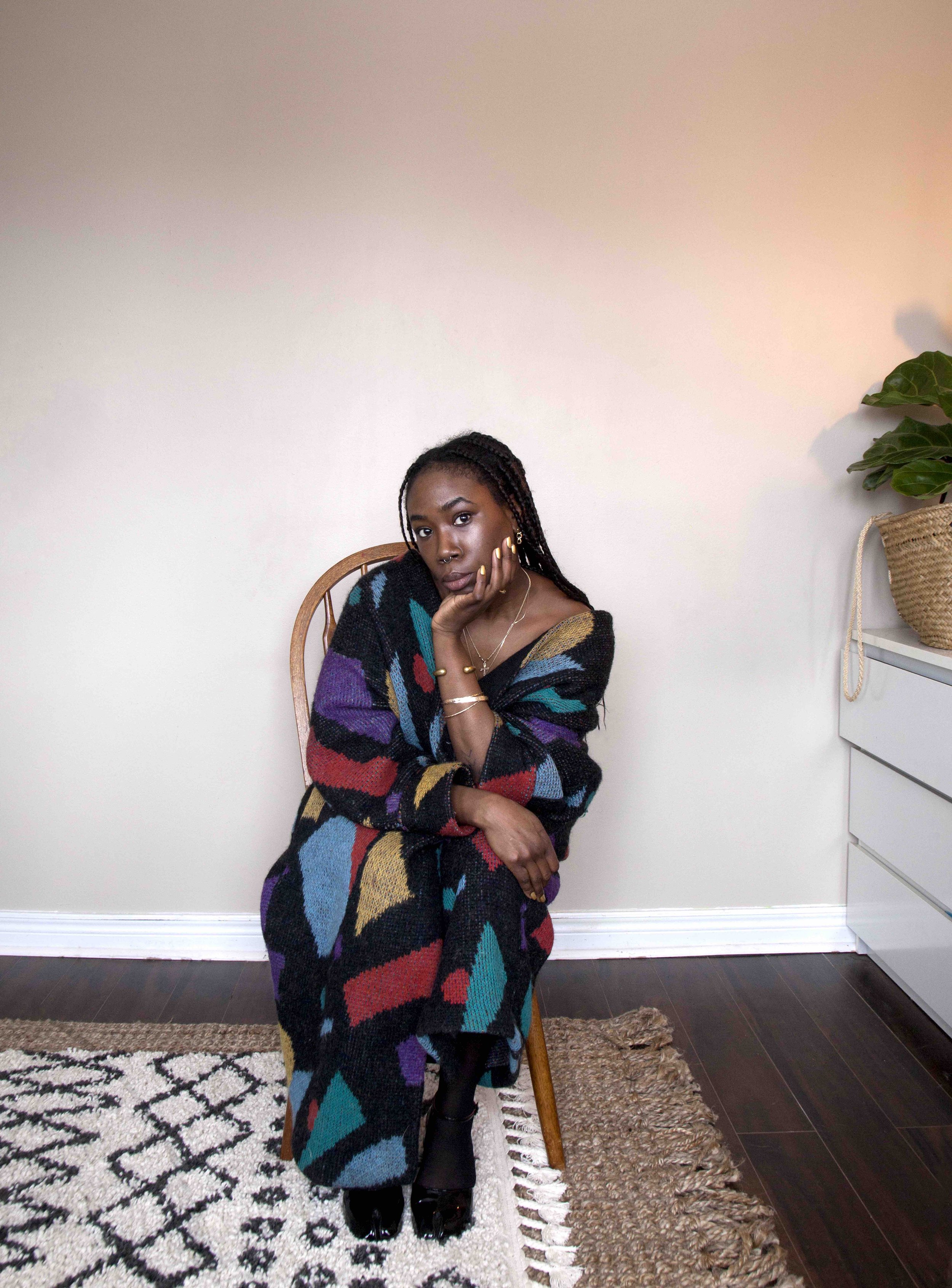
Ananna Rafa is a photographer and painter based in Toronto. Her work oscillates between places, memories, and identity. Her art practice is primarily image-based with an emphasis on the immigrant experience—often referencing art history, performance, and cinema from the South Asian diaspora. As a person of Bengali heritage, her work highlights the cultural and socio-political narratives of this region while at the same time introducing these concepts to a western audience.
Borrowing from 16th and 17th century Mughal Miniature paintings, “After Mughal Miniatures“ retraces Rafa's cultural history through performative acts of storytelling, traditional attire, festivals and rituals found both in Bengali and Mughal cultures. Engaging three generations of Bengali women, this series is also an attempt to speak to the syncretic nature of cultural identity and religion.”
-
Ananna Rafa est une photographe et peintre basée à Toronto. Son travail oscille entre les lieux, les souvenirs et l'identité. Sa pratique artistique est principalement basée sur l'image et met l'accent sur l'expérience de l'immigrant, faisant souvent référence à l'histoire de l'art, à la performance et au cinéma de la diaspora sud-asiatique. En tant que personne d'origine bengalie, son travail met en lumière les récits culturels et sociopolitiques de cette région tout en présentant ces concepts à un public occidental.
S'inspirant des peintures miniatures mogholes des 16e et 17e siècles, "After Mughal Miniatures" retrace l'histoire culturelle de Rafa à travers des actes performatifs de narration, des vêtements traditionnels, des festivals et des rituels que l'on retrouve à la fois dans les cultures bengali et moghole. Engageant trois générations de femmes bengalies, cette série est aussi une tentative de parler de la nature syncrétique de l'identité culturelle et de la religion."
-


Farihah Aaliyah Shah
Farihah Aliyah Shah is a contemporary lens-based artist originally from Edmonton, Alberta now based in Bradford, Ontario, Canada. Utilizing photography, installation and the moving image, Shah’s practices explore issues of identity formation through the colonial gaze, land, collective memory and archival material. She seeks to challenge the lack of representation of disenfranchised bodies in the photographic cannon and representational art, encouraging others to take agency of their image.
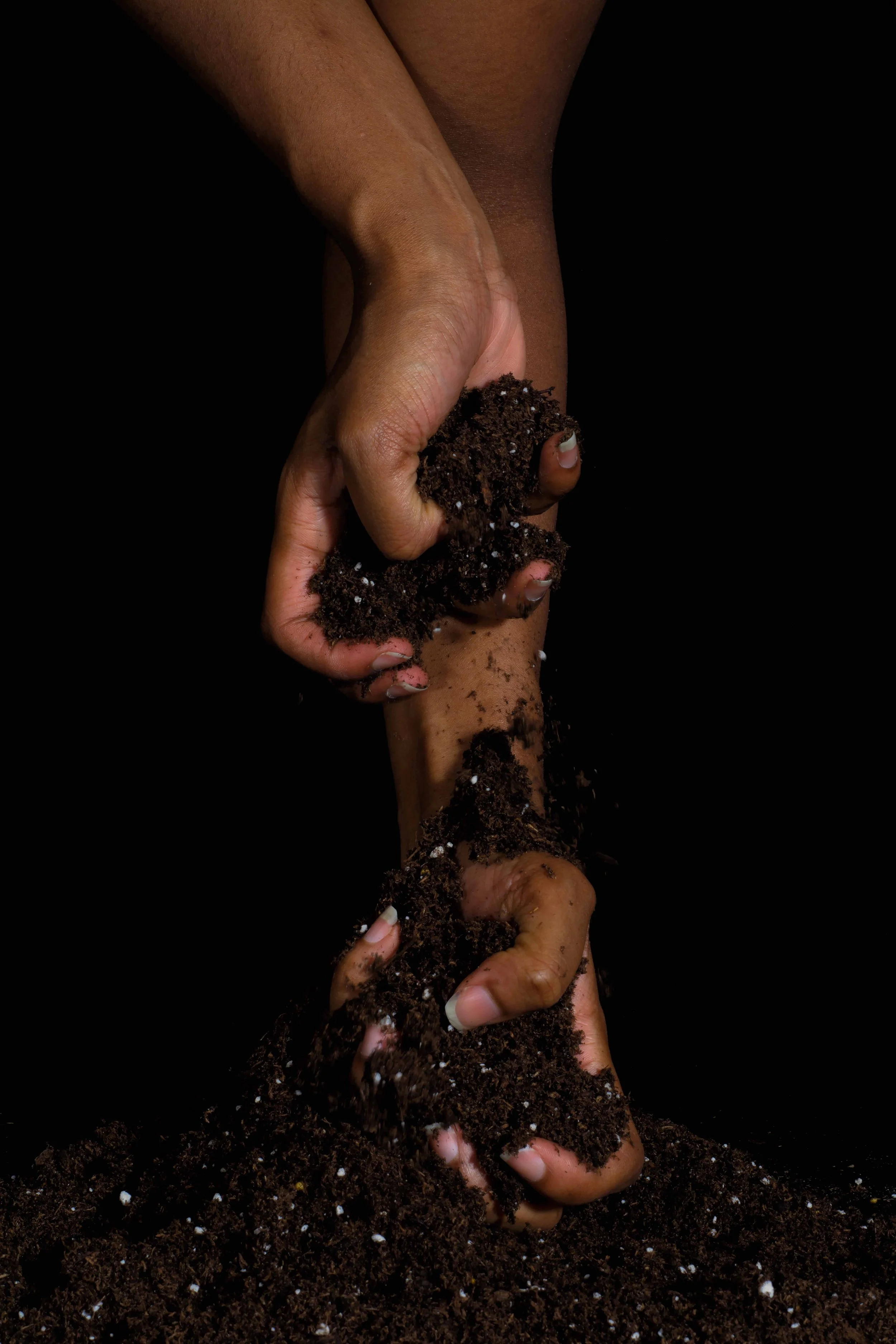
Using self-portraiture and simple installations, Billie Said ‘Strange Fruit’ aims to respond to the current Black Lives Matter movement and past civil rights movements advocating for justice and equality whilst commenting on the lack of representation of black bodies in the history of photography. The series reflects on the significant history of still-life photography and botanical objects and challenges the viewer to elevate fragmented or disenfranchised bodies to the same respect as the popularly photographed succulent. The series lends its name from the 1930s poem “Strange Fruit” which was popularized by Billie Holiday. The poem speaks about the common practice of lynching in the American South. Despite the literal disappearance of this act, the figurative and systemic lynching of black bodies from the contemporary socio-political discourse remains. The series is dedicated to my Uncle Bob, a civil rights activist.
-
Farihah Aliyah Shah est une artiste contemporaine de l'objectif, originaire d'Edmonton, en Alberta, vivant désormais à Bradford, en Ontario, au Canada. Utilisant la photographie, l'installation et l'image en mouvement, les pratiques de Shah explorent les questions de formation de l'identité à travers le regard colonial, la terre, la mémoire collective et les documents d'archives. Elle cherche à remettre en question le manque de représentation des corps privés de droits dans le canon photographique et l'art figuratif, tout en encourageant les autres à prendre en charge leur image.
En utilisant l'autoportrait et des installations simples, Billie Said "Strange Fruit" vise à répondre à l'actuel mouvement Black Lives Matter et aux anciens mouvements pour les droits civiques qui prônent la justice et l'égalité, tout en commentant sur le manque de représentation des corps noirs dans l'histoire de la photographie. La série réfléchit à l'histoire importante de la photographie de natures mortes et d'objets botaniques et met le spectateur au défi d'élever les corps fragmentés ou privés de droits au même rang que la succulente photographie populaire. La série tire son nom du poème des années 1930 "Strange Fruit", popularisé par Billie Holiday. Le poème parle de la pratique courante du lynchage dans le Sud américain. Malgré la disparition au sens propre de cet acte, le lynchage figuratif et systémique des corps noirs dans le discours sociopolitique contemporain demeure. Cette série est dédiée à mon oncle Bob, un militant des droits civiques.
-



CURATORS

Myriam Farah Cobb
Myriam Farah Cobb is an Ottawa based photographer. Her passion for photography was born from documenting her family's daily life. In her work, she aims to find beauty in ordinary places and showcase connections amongst people. Myriam graduated from the University of Quebec in Montreal with a Bachelor’s degree in Art History and a Masters in Museum Studies.
Throughout her career, she's worked on numerous exhibition projects for not-for-profit organizations and national institutions such as The Portrait Gallery of Canada. In 2018, she co-founded With All My Love, a project offering free family photography services to parents in the Ottawa/Gatineau area who are facing a cancer diagnosis.

Darren Pottie
Darren Pottie is a queer curator of settler ancestry whose focus is the intersection between contemporary craft and lens-based media. Currently employed as the Gallery Manager and Artist Residency Coordinator at the SPAO Centre, his work is dedicated to presenting and raising the platform of photo-based artists across Canada and beyond. Recent curatorial projects include In Keeping With Myself at the Portrait Gallery of Canada and Innominate Nature at the SPAO Centre. Pottie holds a BA in Art History & Contemporary Culture from NSCAD University, and a post-graduate diploma in Museum Management and Curatorship from Fleming College. Pottie currently lives and works in Ottawa, on the unceded territory of the Anishinaabe Algonquin Nation.
SPECIAL THANKS
CONSULTANTS
Newfoundland
Philippa Jones
Eastern Edge
Nova Scotia
Naila Moon
Independent
Sherida Hassanali
ISANS
New Brunswick
Annie France Noel
Galerie Sans Norm
Quebec
Marie-Eve Beaupré
Musée d'art contemporain de Montréal
Ontario
Lillian O’Brien
Gallery 44
Gaetana Verna, Noor Alé
The Power Plant Contemporary Art Gallery
Manitoba
Taylor Buss, Meganelizabeth Diamond
Platform Centre for Photographic & Digital Arts
Saskatchewan
Michelle Jacques
Remai Modern
British Columbia
Diana Freundi, Stephanie Rebick
Vancouver Art Gallery
Territories
Capp Larsen
Klondike Institute of Art and Culture

Quisque iaculis facilisis lacinia. Mauris euismod pellentesque tellus sit amet mollis.